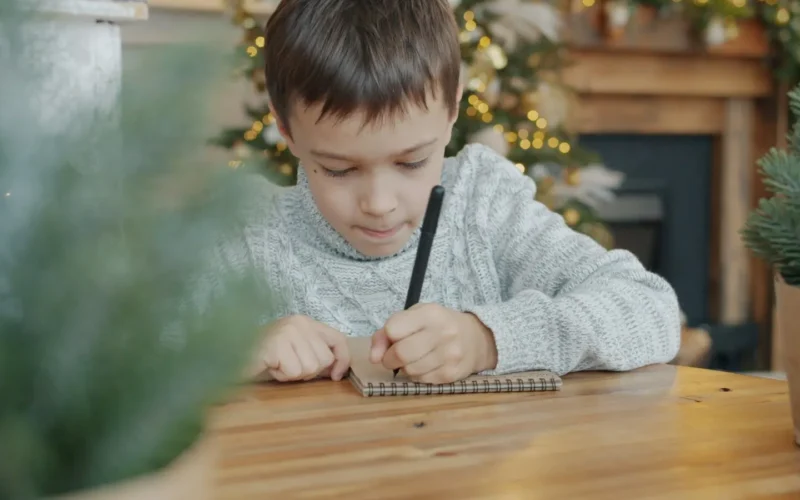
How to Make a Wish List People Actually Use
What to put on each item, how to spread prices, which non-product ideas work, and how to keep a wish list current so family can buy from it without guessing.

Most wish lists fail in one of three ways. They are too vague (“a nice jumper”), too narrow (one expensive item that one person can buy), or out of date by the time anyone opens them. Length rarely helps. What helps is writing the list for the person who has to shop from it, usually in a hurry, often on a phone, sometimes for someone they see twice a year.
Why asking for things is not rude
Plenty of people feel awkward writing a list, as if naming what you want spoils the gesture. The research points the other way. In five studies published in the Journal of Experimental Social Psychology, Francesca Gino and Frank Flynn found that people appreciated gifts they had requested more than gifts the giver picked alone, and saw them as more thoughtful. Givers in the same studies predicted the opposite.
One detail from that work is useful for list-writers: when recipients pointed to one specific item, givers were better at seeing that it would be welcome. A short list with clear favourites works better than a long, flat one.
What a useful list entry contains
Think of each item as a note to a stranger. They should be able to buy the right thing without messaging you. A good entry has:
- The item name, written the way a shop would list it.
- A link or the shop name, if you have one in mind. If any shop will do, say so.
- Size, colour, edition or model, whichever applies.
- A rough price, so givers can find something in their range.
- A note on why or how you would use it, if it helps someone choose an alternative.
| Vague entry | Entry someone can buy from |
|---|---|
| Running stuff | Running socks, size L, any brand, cushioned. I go through them fast. |
| A book | Any paperback by the author of the last one I loved (link). Not the hardback. |
| Kitchen things | Small non-stick frying pan, about 20 cm, must work on induction. |
| Jumper | Wool jumper, size M, dark green or navy, crew neck, no logos. |
Notes like “no logos” or “must work on induction” save more returns than any link. They tell a giver what to avoid if the exact item is sold out.

Spread the prices on purpose
If everything on your list costs the same, only people with that budget can use it. Aim for a mix:
- Two or three small things, the kind a niece or a colleague could pick up.
- A few mid-range items for close family.
- One or two bigger items that people could split, clearly marked as fine to share.
Small items are the ones people forget to add, and they are the ones most givers actually need. If your family runs a gift exchange with a cap, check that at least three ideas fit under it. Our family Secret Santa rules explain why that matters on draw day.
Add ideas that are not products
Some of the best list entries are not things in a basket. They are especially useful for people who say they “don’t need anything”:
- Consumables you always use: a particular coffee, tea, hand cream, printer ink.
- Experiences: cinema vouchers, a class, a day out together.
- Help: a lift to appointments, a weekend of babysitting, fixing the shed door.
- Categories: “anything for the garden”, “books about birds”, “board games for two players”.
Giftster’s own getting-started guide tells the story of a 77-year-old grandmother who put household jobs on her list, such as cleaning blinds and putting up shelves, instead of things to buy. That entry probably got more use than another scarf would have.
Write each item as a note to someone who has never been inside your house.
Keep it current
A list from last year with half the links dead does more harm than no list at all, because people buy from it anyway. Before each season:
- Delete anything you bought yourself or no longer want.
- Check that links still work and sizes are still right, particularly for children.
- Move your clear favourites to the top or mark them as most wanted.
- Add a couple of new small items.
One problem with homemade lists is that the person who wrote the list can usually see when someone writes “bought” next to an item, which spoils the surprise. Shared wish list apps solve this by letting givers mark items as reserved or purchased in a way that other givers can see and the list owner cannot.
Put it where people will look
A list only works if your family can find it the evening they finally sit down to shop. That rules out a note on your phone and a message buried in a chat from three weeks ago. Pick one place, share one link, and tell everyone that is where your ideas live.
Giftster is one free option built around this. You can add items from any shop, paste a product link and let its Fetch feature fill in the details, or simply type an idea with no link at all. You can record sizes, colours and interests as gift preferences, keep lists inside a private family group, or share a public list by link or QR code with people who do not have an account.
Start a free Giftster wish list
A two-minute checklist before you share
Your list is ready when
- It has eight to fifteen items, with your favourites at the top.
- At least three items are small and inexpensive.
- Every clothing item has a size and a colour.
- At least one entry is a category or an experience, not a single product.
- All links open, and nothing on it is something you already own.
Once a list exists, it also covers birthdays and every other occasion with a few updates; see our guide to year-round wish lists. And for why shared lists cut down on duplicate gifts across a whole family, start with our main gifting guide.
This article may contain affiliate links. See our Advertising Disclaimer.