Kids’ Wish Lists: Managing Expectations Without Losing the Magic
How to turn a child's forty-item wish list into one family can use: sorting favourites, setting expectations, age-appropriate picks and sharing it.
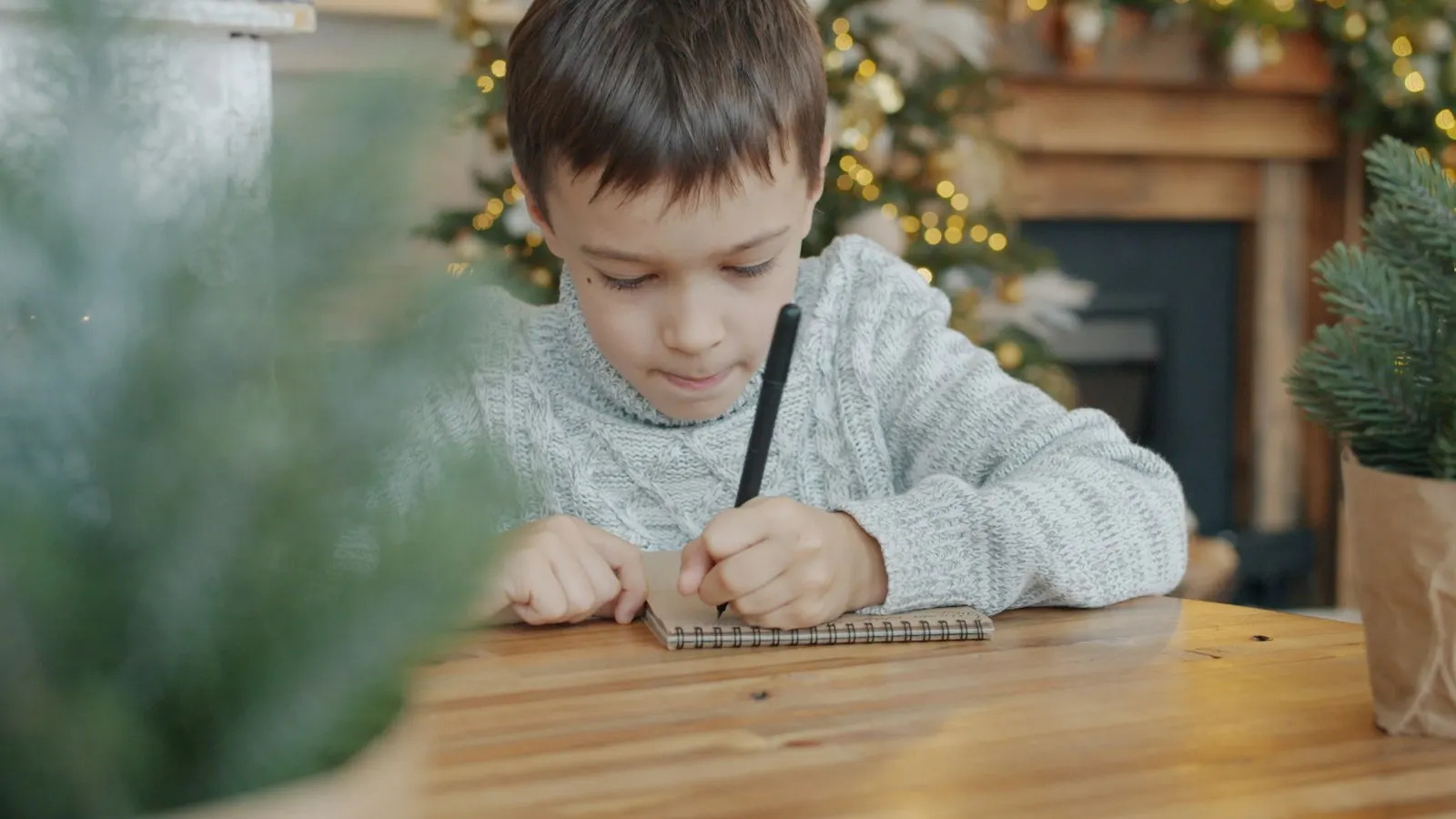
Ask a six-year-old for a wish list in November and you may get three items. Ask again after a weekend of toy adverts and the list can run to two pages. Neither version is much use to grandparents trying to shop, and the long one can set a child up for disappointment. The goal is a list that keeps the excitement and gives the adults something practical to buy from.
Let them write freely first
Start without limits. Let your child write, draw or cut pictures out of catalogues for everything they want. This part is fun, and stopping them early tends to make the list feel like a test.
Then sit down together and sort it. A few questions help:
- “If you could only have three things from this list, which would they be?”
- “Which of these would you still be playing with in the summer?”
- “Is there anything here you saw once and have forgotten about?”
Circle the top three and keep the rest as a longer “ideas” list. Most children can live with the idea that the circled items are the ones that matter, especially if they chose them.

Use a simple structure
Many families use a short rhyme to shape what goes on the list: something you want, something you need, something to wear, something to read. It is not a rule anyone has to follow, but it gives children a frame, mixes practical items with fun ones, and spreads gifts across different givers. Grandparents often love being the “book person”.
Another structure that works well for siblings is to give each child the same number of list slots. It prevents the comparison game on the day.
Talk about who gives what
A wish list is a list of ideas, and children need to hear that before the day, not during it. Depending on your family, that conversation might cover:
- That they will probably not get everything on the list, and that is normal.
- Which presents come from Santa, if your family does Santa, and which come from relatives.
- That some relatives will choose a surprise instead of using the list.
Keeping the bigger items in the “family” column rather than the “Santa” column avoids an awkward question later when a classmate’s Santa was more generous.
Three circled favourites are easier to protect than thirty wishes.
Check for age and safety
Children’s lists are shaped by adverts, and adverts do not always match a child’s age. The American Academy of Pediatrics’ guidance on choosing toys for young children is reassuring here: it points out that high quality does not mean expensive, and that simple things such as cardboard boxes, paper, crayons and clay build creativity. It also suggests caution with toys labelled “educational”, and recommends avoiding toys with button batteries or high-powered magnets.
When you share the list, add age notes for relatives: “the 6+ version, not the toddler one” or “no small parts, his sister is two”. If you have specific concerns about a child’s development or safety, your paediatrician is the right person to ask.
Share it with relatives the easy way
The usual problem with children’s lists is that they live in a parent’s head or on the fridge. Grandparents, aunts and godparents each ask separately, and two of them buy the same thing.
A shared wish list solves most of that if it does three things: it lets a parent run the child’s list, it lets relatives see what others have already bought, and it hides those purchases from the child. Giftster, a free family wish list app, handles this with child lists kept under a parent’s login. You can invite the other parent as a collaborator so both of you can edit, relatives reserve items privately, and parents can see what has been claimed, so you know what is left to cover. Our piece on coordinating gifts with grandparents goes further into who buys what.
Older children and teens
From around the age when they can type and shop online, many children prefer to run their own list. Let them. Agree a couple of house rules, such as including prices, links and at least a few cheaper items, and let them learn how a good list works.
Teens often ask for money or gift cards, which some relatives see as impersonal. Gift research with adults suggests recipients mind less than givers expect: in one of Francesca Gino and Frank Flynn’s studies, recipients appreciated money more than items they had requested, even though givers assumed money would be the least popular. A card with a note about what it is for keeps it personal.
After the day
Once the wrapping paper is in the recycling, spend ten minutes on the list:
- Remove what they received, so nobody buys it again for their birthday.
- Keep the ideas they still want as a starting point for the next occasion.
- Use the list to remind your child who gave what, for thank-you notes or calls.
A list that carries over from December to a spring birthday saves you starting from scratch; see our guide to year-round wish lists. For the bigger picture on duplicates and family lists, read our main gifting guide.
This article may contain affiliate links. See our Advertising Disclaimer.